

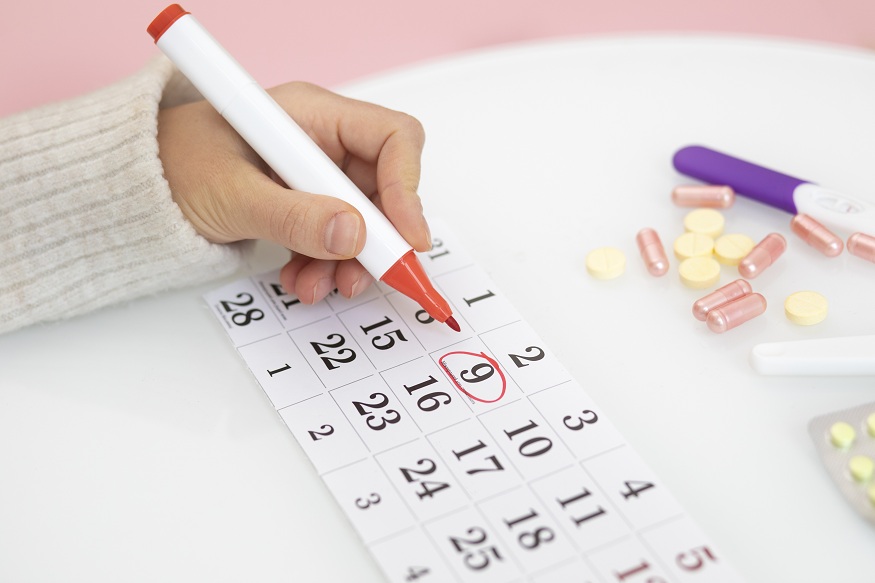
If your menstrual cycle has started to feel unpredictable, you are not alone. Many women notice changes in their periods long before menopause officially begins. This phase, known as perimenopause, often brings irregular cycles along with several physical and emotional changes.
Understanding what’s happening in your body can help you navigate this transition with greater confidence and care. In this blog, let’s see if irregular periods are common during perimenopause.
What Is Perimenopause?
Perimenopause is the transitional phase leading up to menopause, marking the gradual end of a woman’s reproductive years. It usually begins in the late 30s or 40s, though the timing can vary from person to person. This phase may last from a few years to more than a decade. During perimenopause, the ovaries gradually produce fewer reproductive hormones.
As hormone levels fluctuate rather than decline steadily, the body responds in different ways, one of the most noticeable being changes in menstrual patterns. Menopause is officially reached only after 12 consecutive months without a period, but the journey toward it often starts much earlier.
What Are The Symptoms You Need To Be Aware Of?
Perimenopause affects more than just the menstrual cycle. Symptoms can vary widely in type and intensity, even from month to month. Some perimenopause symptoms to be aware of include:
- Hot flashes and night sweats.
- Mood changes like anxiety, irritability, or low mood.
- Sleep disturbances or difficulty staying asleep.
- Fatigue and reduced energy levels.
- Vaginal dryness or discomfort.
- Changes in libido.
- Difficulty concentrating or memory lapses.
Not everyone experiences all these symptoms, and some may be mild while others feel disruptive. Recognizing these changes early can help you seek appropriate guidance and support.
What Causes Perimenopause?
Perimenopause is primarily driven by natural, age related hormonal changes. As the ovaries gradually reduce hormone production, levels tend to fluctuate unevenly rather than decline steadily. These hormonal shifts can directly affect ovulation, menstrual regularity, and several bodily functions. Other factors that may influence when perimenopause begins and how intense the symptoms feel include:
- Genetic factors and family history
- Overall physical and reproductive health
- Chronic stress or emotional strain
- Lifestyle habits such as diet, physical activity, and sleep patterns
- Certain medical conditions or previous treatments
Additionally, factors like smoking, persistent stress, and inadequate sleep can intensify symptoms, making the perimenopausal transition feel more difficult for some women. If you suffer from perimenopause, you must go for hormonal imbalance treatment in Coimbatore to ease this transition.
How Can Perimenopause Be Treated?
The primary cause of perimenopause is natural age related hormonal fluctuation. As the ovaries gradually slow down hormone production, levels rise and fall unevenly instead of following a regular pattern. These hormonal shifts affect ovulation, menstruation, and various body systems.
Other factors can influence how early or intensely perimenopause is experienced, including genetics, overall health, stress levels, lifestyle habits, and certain medical conditions. Smoking, high stress, and poor sleep can also worsen symptoms, making the transition feel more challenging.
Key Takeaways
Irregular periods are a common and expected part of perimenopause, a natural life transition that can span several years. During this phase, women may experience a wide range of symptoms that go beyond menstrual changes, largely due to ongoing hormonal fluctuations.
While these changes are a normal part of aging, the right lifestyle adjustments, along with timely medical guidance from the best gynecologist in Coimbatore, can help manage symptoms effectively. With proper awareness, proactive care, and supportive strategies, perimenopause does not have to feel confusing or overwhelming, and women can move through this stage with greater ease and confidence.