

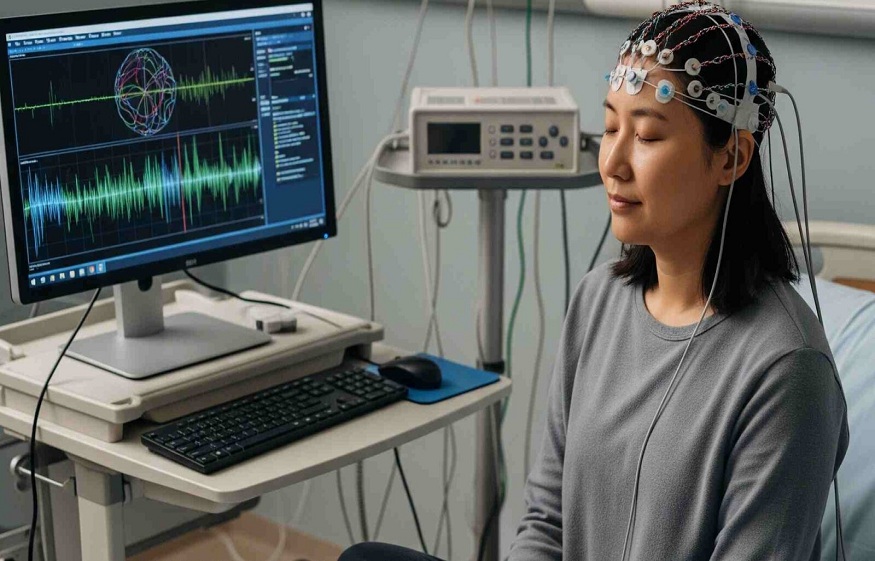
Neurofeedback therapy is a specialized form of biofeedback that helps individuals improve the way their brain functions by encouraging healthier brainwave activity. It is a non-invasive treatment that uses sensors placed on the scalp to monitor electrical activity in the brain through electroencephalography (EEG). These sensors do not send electricity into the brain; instead, they simply record brainwave patterns in real time. The recorded information is then converted into visual or auditory feedback, allowing individuals to observe how their brain is functioning during a session.
What is meant by neurofeedback therapy
Neurofeedback therapy is based on the concept of neuroplasticity, which refers to the brain’s remarkable ability to adapt, reorganize, and create new neural pathways throughout life. During neurofeedback sessions, the brain receives immediate feedback whenever it produces more desirable patterns of activity. This positive reinforcement encourages the brain to repeat those healthier patterns over time. Through repeated practice across multiple sessions, individuals gradually learn to regulate their own brain activity more effectively without consciously controlling it.
Read More: Looking Beyond Health Goals and Toward Daily
Several neurofeedback training protocols exist, each designed to address different neurological or psychological concerns. For example, theta/beta ratio training is often used to improve attention and focus in individuals experiencing attention-related difficulties. Alpha/theta training, on the other hand, is commonly associated with managing stress, anxiety, emotional regulation, and trauma-related symptoms. Treatment protocols are generally selected based on an individual’s unique brain activity rather than relying solely on a specific diagnosis.
Today neurofeedback tends to be incorporated into treatment plans for a variety of mental health and neurological conditions. Healthcare professionals may recommend it for individuals experiencing anxiety disorders, depression, post-traumatic stress disorder (PTSD), attention-deficit/hyperactivity disorder (ADHD), chronic insomnia, emotional regulation difficulties, executive functioning challenges, and more. Neurofeedback therapy is most effective when integrated with other evidence-based therapies. Rather than replacing psychotherapy, psychiatric care, behavioral interventions, or family support, neurofeedback often serves as an additional therapeutic tool that complements these services.
The brain plays a central role in regulating emotions, thoughts, memory, attention, and behavior. When brain activity becomes unbalanced, it can contribute to a wide range of mental health and cognitive challenges. Neurofeedback focuses on improving the way the brain functions rather than simply masking symptoms. By monitoring brainwave activity in real time and providing immediate feedback, this therapy encourages the brain to develop healthier patterns of activity. As a result, neurofeedback takes a comprehensive approach to mental wellness by addressing the underlying factors that may contribute to emotional, behavioral, or cognitive difficulties instead of only offering temporary symptom relief.
Read More: Best Natural Antacid Remedies for Quick Relief
Neurofeedback therapy is highly personalized nature. Every person’s brain functions differently, and no two individuals experience mental health conditions in exactly the same way. Before beginning therapy, practitioners evaluate an individual’s brainwave activity and symptoms to develop a customized treatment plan. Each session is then adjusted according to the person’s progress and unique neurological patterns. This individualized approach allows therapy to focus on the specific areas of the brain that require support, helping maximize effectiveness while adapting to changing needs throughout the treatment process.